Suited to Low Temperatures
Wheel material and bracket are evaluated based on refrigerated, frozen, and low-temperature turnover conditions to reduce wear in cold environments.
Dersheng Casters provides caster and wheel-set selection guidance for cold chain and low-temperature storage equipment. Beyond simply bearing load and rolling, this equipment needs the right wheel material, diameter, bracket, brake, and adjustment configuration based on load conditions, movement frequency, floor material, operating environment, mounting method, and maintenance needs — so it rolls easier, stays more stable, and is easier to maintain on the floor.
Casters in cold chain and low-temperature storage settings directly affect handling efficiency, equipment stability, on-site safety, and maintenance cost. Judging by size or price alone often overlooks real-world load variation, floor conditions, cleaning environments, and movement frequency.
Refrigerated, frozen, and low-temperature storage environments often come with moisture, requiring evaluation of bracket corrosion resistance and wheel-material durability.
Floors in low-temperature environments can develop condensation or become slippery, requiring casters to balance rolling stability with floor conditions.
Cold-chain logistics and distribution have high turnover frequency, so wheel wear resistance and low rolling resistance affect operating efficiency.
Repairs are inconvenient in low-temperature environments, requiring maintenance cycle and ease of replacement to be considered during selection.
In deep-freeze environments, wheel material without sufficient cold resistance can harden, lose elasticity, or even crack.
Carts frequently moving between room temperature and low temperature experience thermal expansion and contraction, which can loosen or fatigue parts.
Cold chain and low-temperature storage equipment spans production-line peripherals, mobile carts, equipment bases, workbenches, and on-site handling tools. These may all look like they simply "need to move," but in practice, differences in load, flooring, operating frequency, cleaning requirements, and environmental risk create entirely different caster needs.
For this reason, caster selection for cold chain / low-temperature storage shouldn't be based on wheel diameter or per-wheel load alone — safety factor, floor joints, rolling resistance, brake positioning, bracket material, and future maintenance all need to be considered together. Dersheng can help manufacturers, buyers, and distributors work out a selection direction based on equipment purpose and on-site conditions.
Casters for cold chain and low-temperature storage aren't just a moving part — they're a key component affecting on-site efficiency, equipment stability, and maintenance cost. For equipment manufacturers and buyers, the right caster configuration keeps equipment better suited to daily operation, repositioning, cleaning, and repair.
The core of caster selection for cold chain / low-temperature storage is evaluating equipment conditions, on-site environment, and long-term maintenance together. The right wheel-set configuration reduces rolling resistance, improves equipment stability, and lowers future repair and replacement costs.
Wheel material and bracket are evaluated based on refrigerated, frozen, and low-temperature turnover conditions to reduce wear in cold environments.
Stainless steel brackets can be used in damp, condensation-prone, and frequently cleaned environments, improving maintenance stability.
Wear-resistant wheel materials can be evaluated for high-frequency cold-chain handling, reducing wheel-surface wear and replacement cost.
Helps select a more stable wheel diameter and bracket configuration for damp flooring and warehouse-aisle conditions.
Even within cold chain and low-temperature storage, different equipment varies in load, rolling distance, floor conditions, cleaning frequency, and positioning needs. The scenarios below help equipment teams identify the right wheel direction quickly.
Cold chain and low-temperature storage equipment covers a wide range — from on-site carts and workstations to equipment bases and handling tools — each potentially needing a different caster configuration. This page is organized by "application scenario" to help search engines and AI better understand the industry applications Dersheng Casters supports.
Suited to refrigerated storage carts — the right wheel-set configuration can be evaluated based on equipment weight, movement frequency, floor conditions, and on-site operating methods.
Suited to freezer carts — the right wheel-set configuration can be evaluated based on equipment weight, movement frequency, floor conditions, and on-site operating methods.
Suited to low-temperature delivery turnover — the right wheel-set configuration can be evaluated based on equipment weight, movement frequency, floor conditions, and on-site operating methods.
Suited to food cold-chain equipment — the right wheel-set configuration can be evaluated based on equipment weight, movement frequency, floor conditions, and on-site operating methods.
Suited to damp loading-dock handling — the right wheel-set configuration can be evaluated based on equipment weight, movement frequency, floor conditions, and on-site operating methods.
Suited to cold-chain sorting equipment — the right wheel-set configuration can be evaluated based on equipment weight, movement frequency, floor conditions, and on-site operating methods.
When choosing casters for cold chain / low-temperature storage, we recommend first gathering equipment weight, use environment, floor condition, movement frequency, and whether braking or positioning is needed, then deciding on wheel material, diameter, bracket, and mounting method.
To quickly determine caster specs for cold chain / low-temperature storage, gather the equipment's total weight, maximum load, floor type, rolling distance, brake/positioning method, and environmental conditions. These details directly affect wheel material choice, wheel diameter, bracket type, mounting dimensions, and whether special functions are needed.
Confirm whether the equipment will be refrigerated, frozen, or briefly exposed to low temperatures, to avoid unsuitable wheel material.
Low-temperature environments often come with moisture, requiring bracket rust resistance and bearing maintenance to be considered.
Cold-chain turnover frequency is high, so wear resistance, low rolling resistance, and wheel-surface lifespan matter.
Cold storage repairs are inconvenient, requiring spec consistency and ease of replacement to be considered during selection.
Dersheng can translate the purpose, load, environmental conditions, movement method, and maintenance needs of cold chain / low-temperature storage equipment into discussable caster specs, helping customers confirm direction before development, procurement, or replacement.
When helping select casters for cold chain / low-temperature storage, Dersheng Casters first translates equipment purpose, load conditions, movement frequency, and floor/environment needs into discussable spec conditions, then makes recommendations on wheel material, diameter, bracket, mounting method, and brake configuration.
First confirm the equipment type, total weight, maximum load, mounting dimensions, use environment, movement frequency, floor material, cleaning or environmental conditions, and whether braking, directional lock, or positioning support is needed.
Based on your needs, we evaluate wheel diameter, wheel material, per-wheel load, bracket type, mounting method, swivel structure, and brake configuration to help identify the most suitable product series and alternatives.
If verification is needed before equipment development, redesign, or mass production, we can discuss samples and test priorities based on the project, observing rolling feel, positioning stability, wheel wear, and ease of on-site operation.
Based on order quantity, lead time, spec consistency, and future replacement or maintenance needs, we help discuss supply arrangements to reduce procurement and maintenance risk from spec changes.
Below are the key product series commonly used in cold chain / low-temperature storage — a starting point for equipment, carts, workstations, and on-site handling wheels. We still recommend confirming exact specs based on equipment weight, mounting method, floor conditions, and operating environment.
Dersheng Casters can help evaluate casters, brackets, wheel materials, and brake configuration based on the equipment type and operating conditions in cold chain / low-temperature storage. If you're not sure which series to choose, share equipment photos, weight, flooring, and mounting dimensions, and Dersheng can help narrow it down.
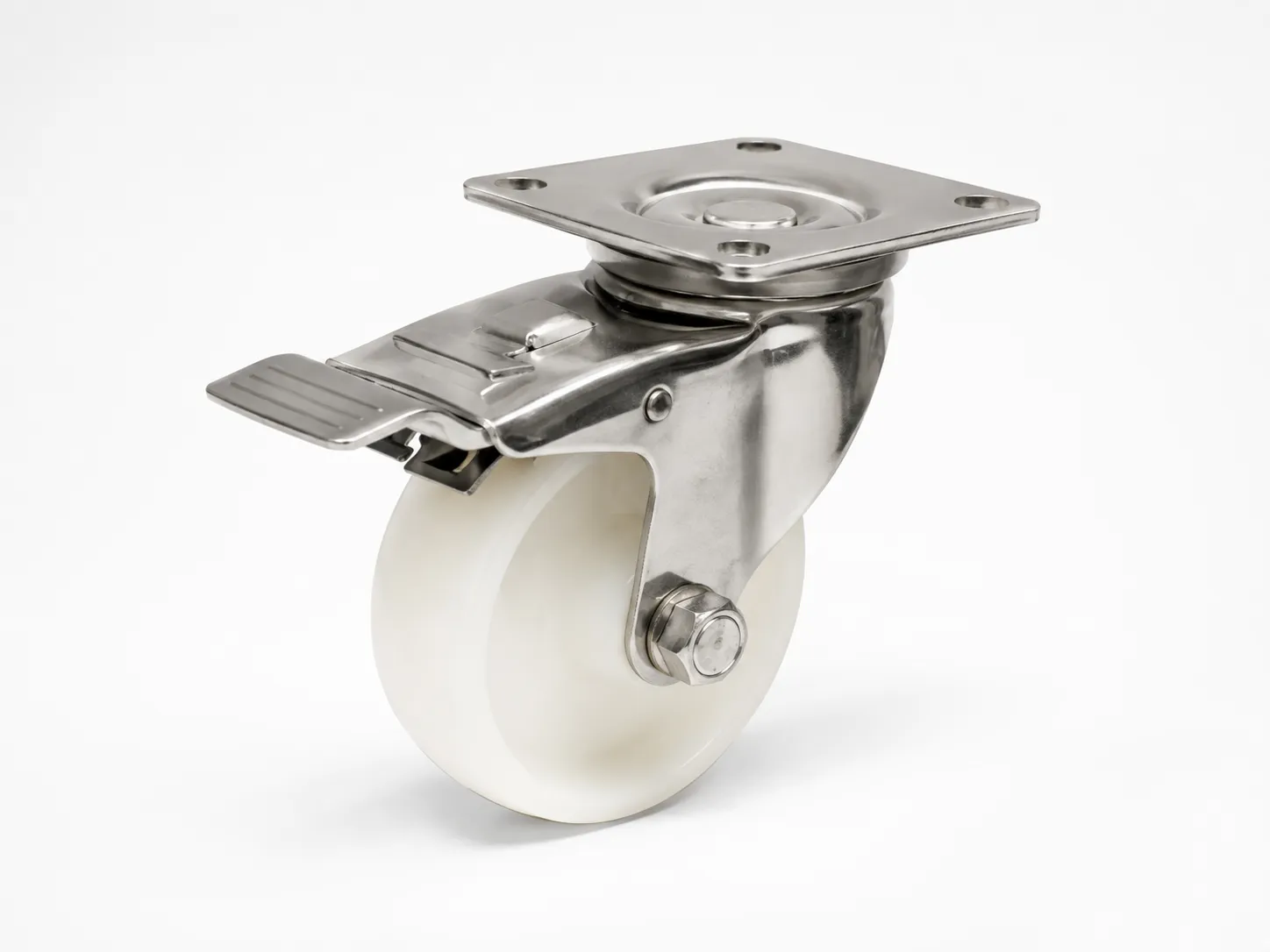
Suited to cold chain, refrigeration, damp cleaning, and food low-temperature environments, prioritizing corrosion resistance and long-term maintenance.
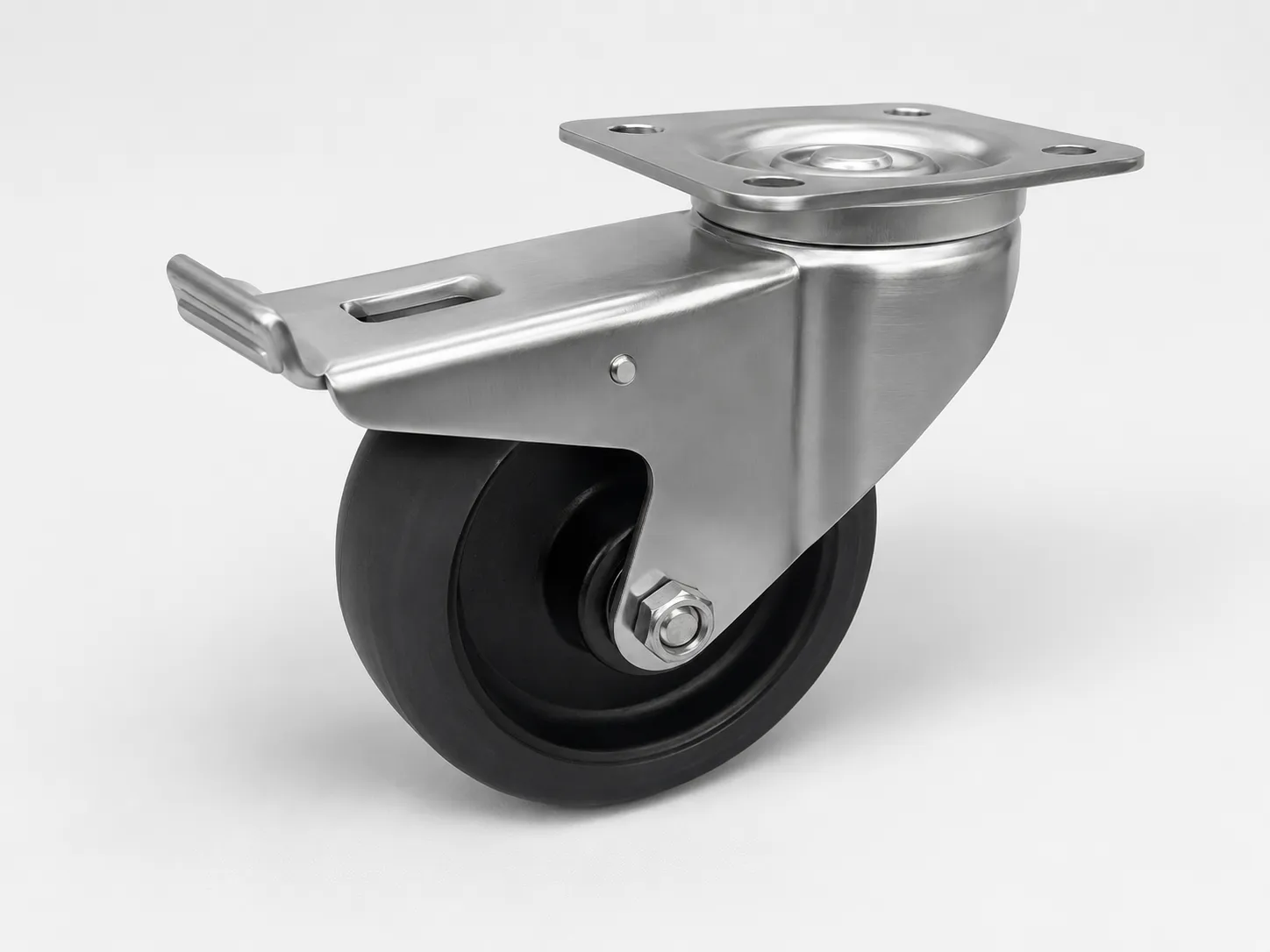
Suited to low-temperature storage equipment, freezer-adjacent carts, and higher-load applications.
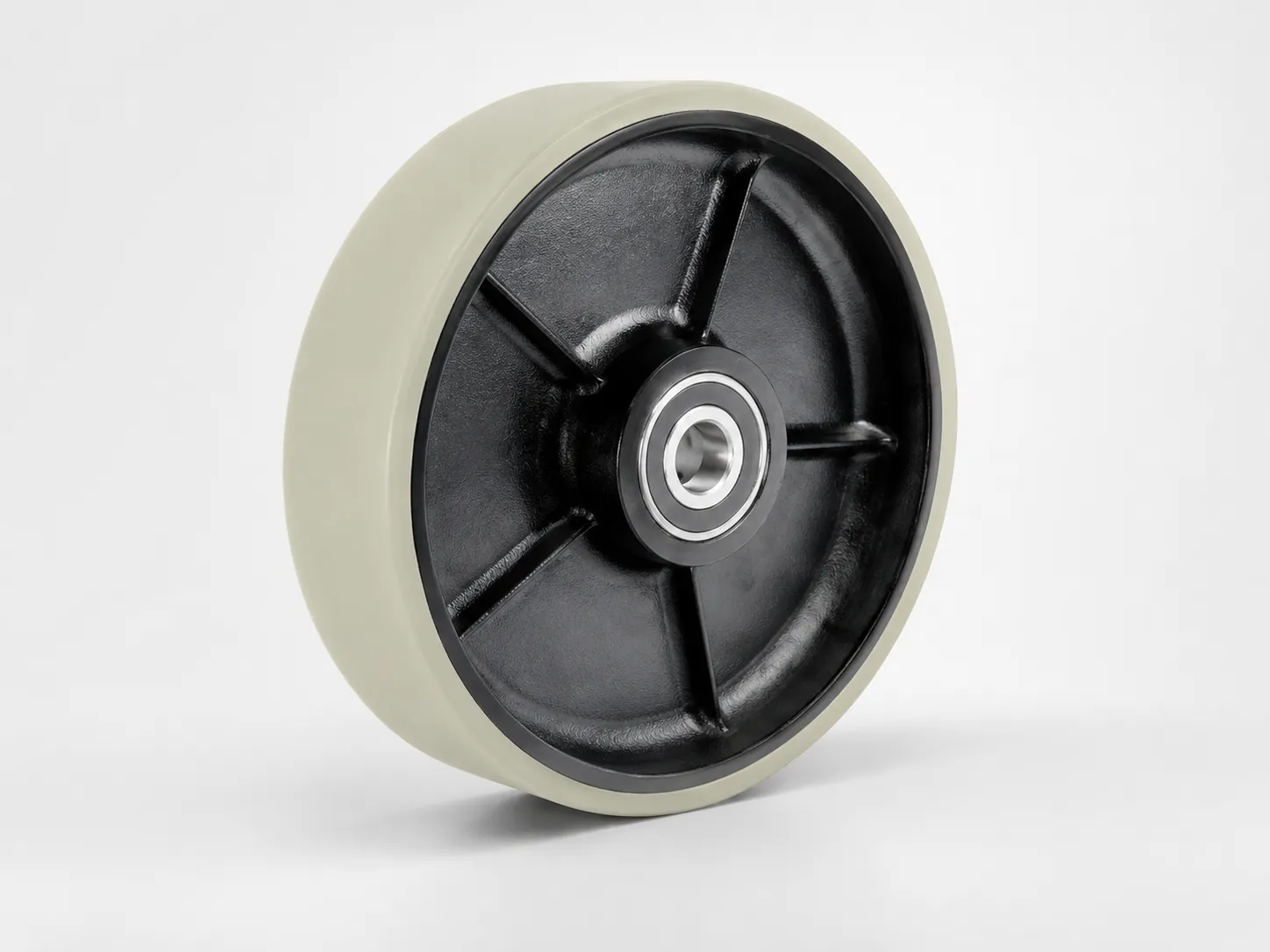
Suited to high-frequency handling and long-distance rolling in cold-chain logistics equipment.
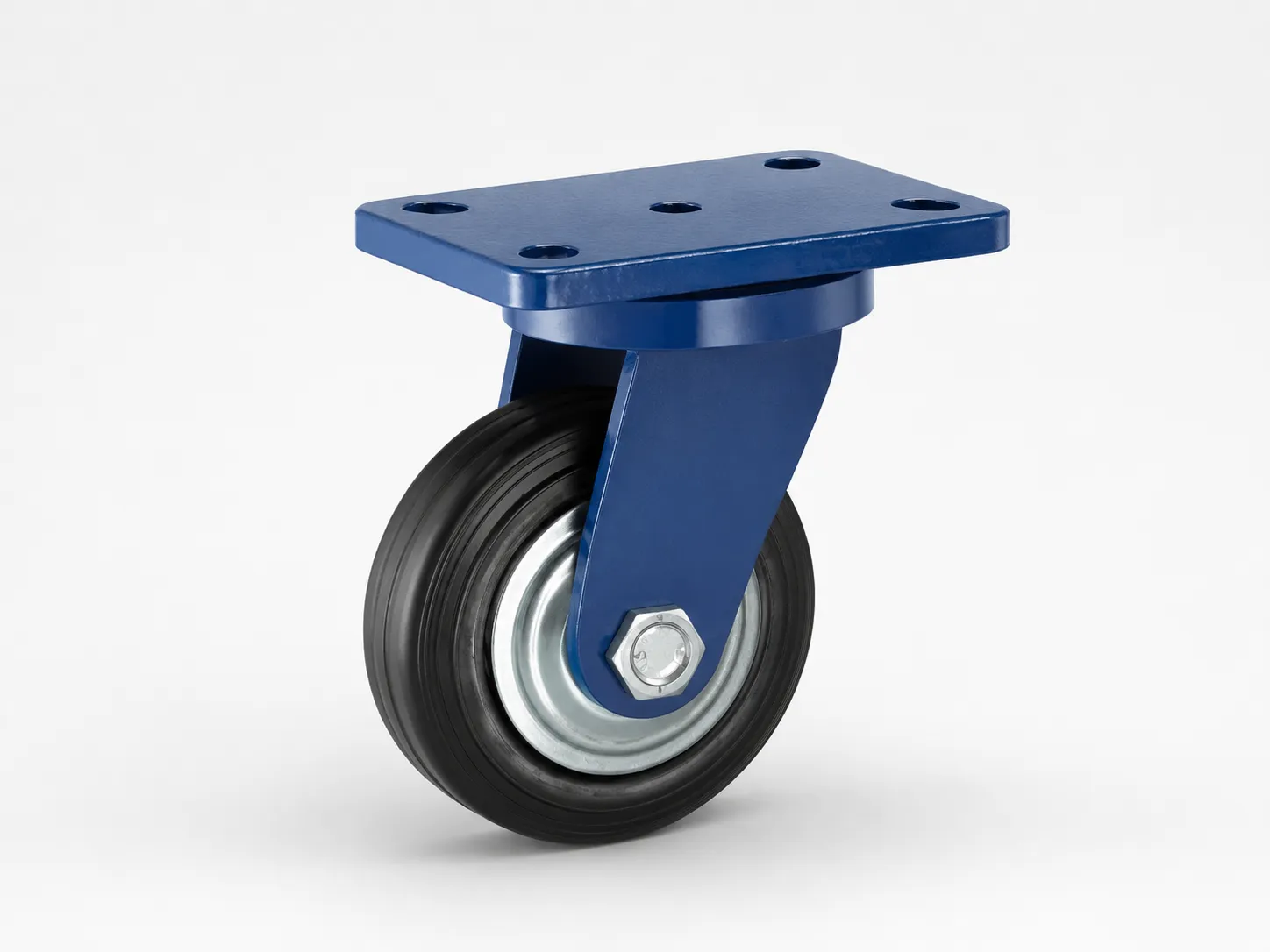
Suited to cold-chain carts, warehousing equipment, and medium-to-heavy handling vehicles.
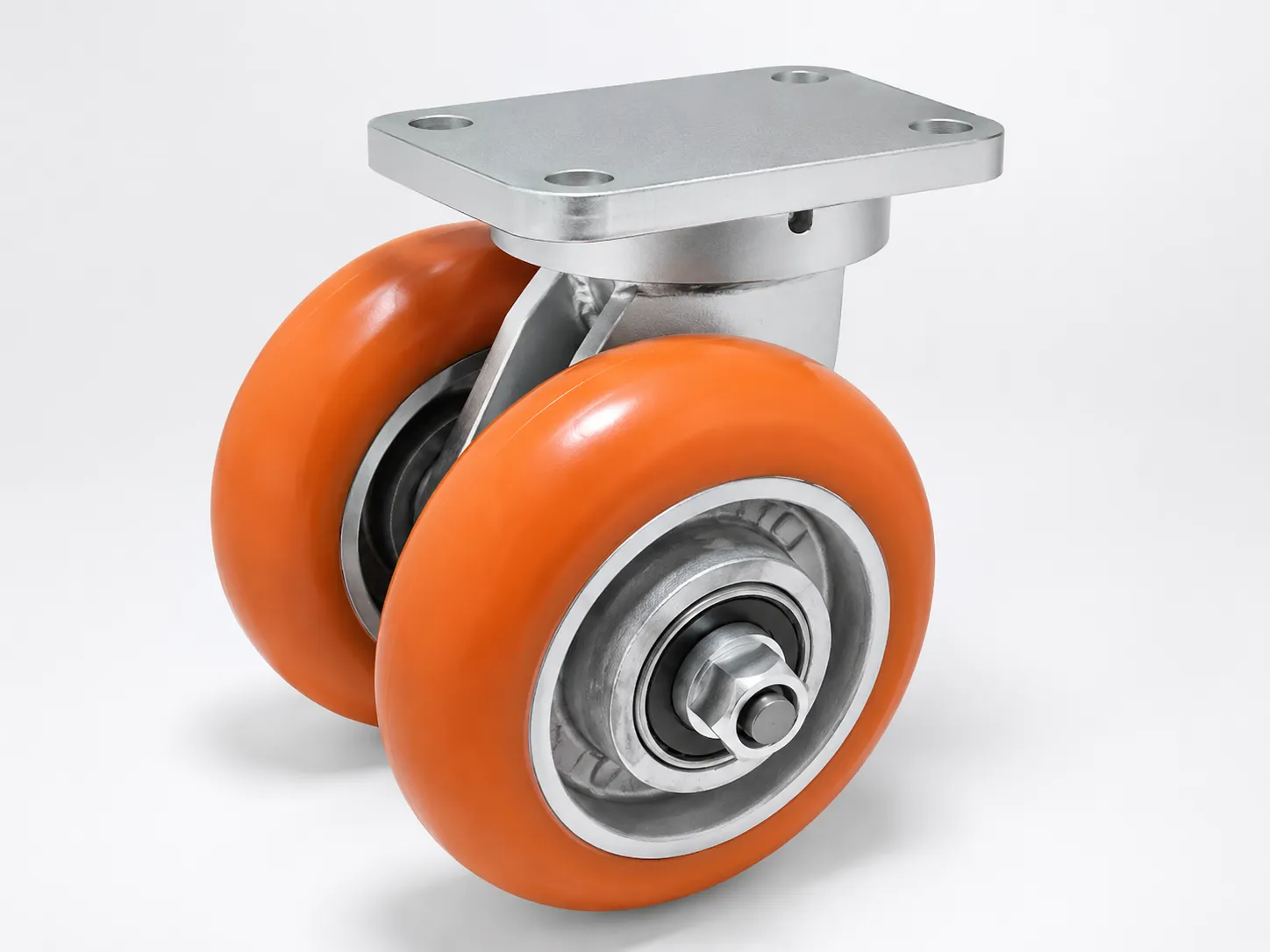
Suited to low-temperature storage settings with floor-level differences, joints, and handling-stability needs.
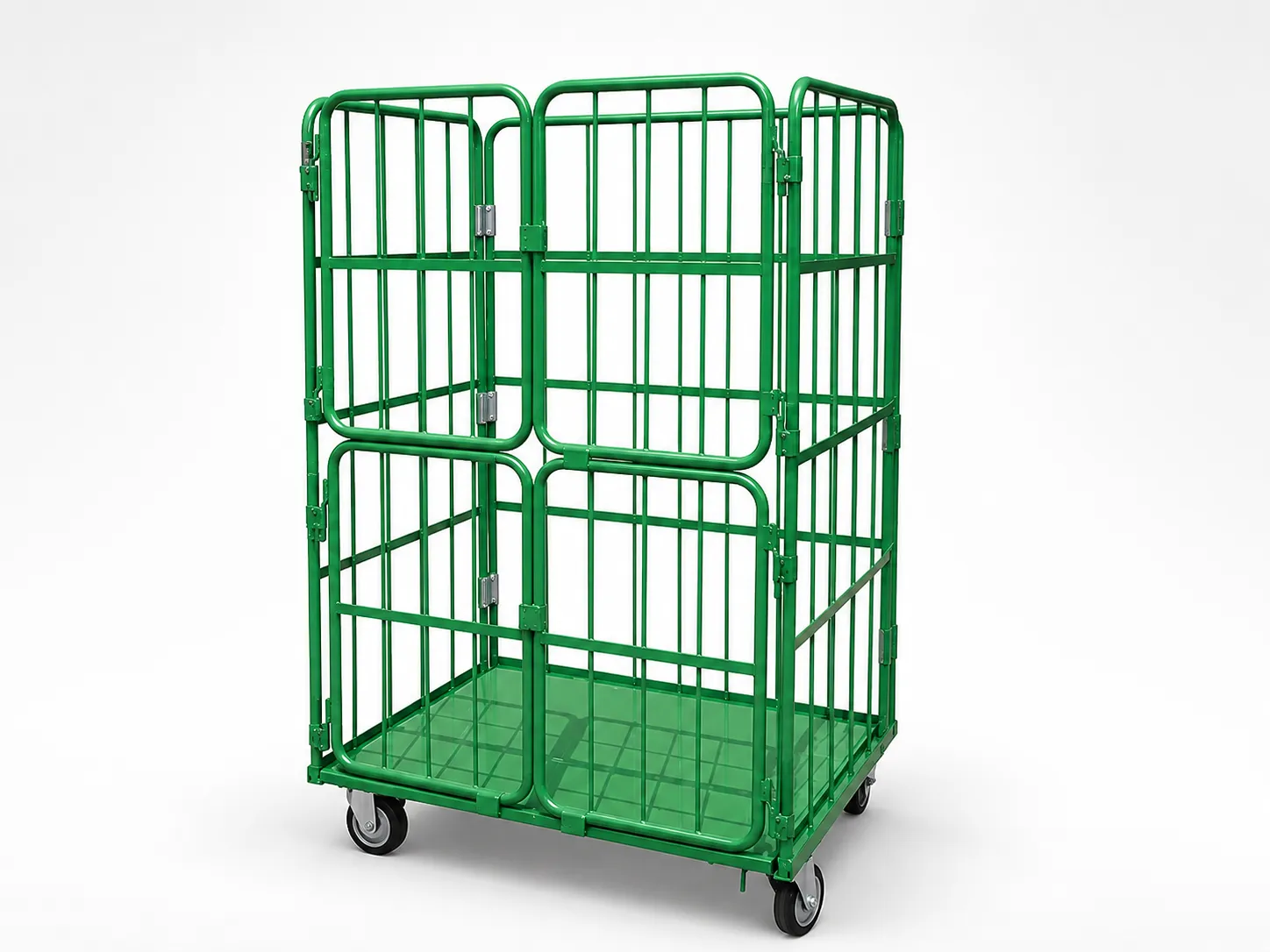
Usable in cold-chain storage, distribution staging, and cargo turnover — pair with the right wheel material and bracket.
Casters for cold chain / low-temperature storage are not just a single part — they affect equipment rolling, positioning, maintenance, and long-term stability. Dersheng can help evaluate suitable wheel material, size, load, mounting method, and brake configuration based on different industry application needs.
For equipment manufacturers, a caster supplier needs to do more than just supply individual wheels — it needs to understand equipment applications, mass-production specs, future replacement, and procurement stability. Dersheng Casters can help organize selection conditions based on the specific needs of cold chain / low-temperature storage, so the casters better match real-world use and B2B procurement processes.
Dersheng can match specs based on equipment weight, wheel diameter, mounting method, bracket type, and braking needs, helping customers find a closer-fitting solution from existing product series.
Can help equipment manufacturers, buyers, and distributors organize caster selection conditions, translating equipment purpose, load, floor, and environmental needs into discussable spec directions.
Provides caster configuration recommendations suited to real-world use cases for common needs across different industry settings, rather than selecting by size or price alone.
Can discuss suitable configurations based on equipment base, movement frequency, cleaning conditions, and future replacement needs, so casters better match equipment development, mass production, and maintenance needs.
Share the equipment type, total weight, maximum load, mounting method, use environment, movement frequency, floor material, and environmental conditions, and Dersheng Casters can help evaluate a suitable caster and wheel-set solution for your cold chain / low-temperature storage application.
Common questions when evaluating casters and wheel sets for Cold Chain / Low-Temperature Storage, to help you quickly gauge the right selection direction.
We recommend sharing the equipment type, total equipment weight, maximum load, per-wheel load requirement, mounting method, wheel diameter constraints, use environment, movement frequency, floor material, whether braking or directional lock is needed, and whether there are cleaning, low-temperature, corrosion, or other special environmental conditions.
Beyond basic load and movement, cold chain / low-temperature storage casters need to be evaluated for rolling resistance, floor conditions, brake positioning, wear resistance, cleaning maintenance, and ease of future replacement based on real-world operating conditions.
Start by confirming load, rolling distance, floor material, steering needs, and whether braking is required, then select the appropriate wheel material, diameter, bracket, and mounting method based on environmental conditions.
Yes. If equipment development, mass production, or repair/replacement requires a different wheel diameter, material, mounting method, or brake configuration, share your current equipment conditions and use case, and Dersheng can help evaluate feasible product series and alternatives.