Heavy-load
Heavy-duty series can be evaluated for safe load rating based on the weight of dies, jigs, and machinery equipment.
Dersheng Casters provides caster and wheel-set selection guidance for automotive and machinery manufacturing equipment. Beyond simply bearing load and rolling, this equipment needs the right wheel material, diameter, bracket, brake, and adjustment configuration based on load conditions, movement frequency, floor material, operating environment, mounting method, and maintenance needs — so it rolls easier, stays more stable, and is easier to maintain on the floor.
Casters in automotive and machinery manufacturing settings directly affect handling efficiency, equipment stability, on-site safety, and maintenance cost. Judging by size or price alone often overlooks real-world load variation, floor conditions, cleaning environments, and movement frequency.
Automotive and machinery manufacturing frequently involves moving dies, jigs, and heavy parts, requiring per-wheel load to be evaluated with an appropriate safety factor.
Concrete floors, steel-plate joints, and floor-level differences increase impact, requiring wheel diameter and shock absorption to be evaluated.
Equipment, workbenches, and jigs often need to be locked in place after repositioning — leveling casters or support-lift casters should be considered.
Frequent turning or lateral force on the production line affects bracket structure and bearing-grade lifespan.
Production lines often have oil residue, cutting fluid, and metal dust, requiring wheel-material traction and ease of cleaning to be considered together.
Tooling carts that move in and out of the production line and test stations frequently need bearing grade and lubrication design suited to their expected service life.
Automotive and machinery manufacturing equipment spans production-line peripherals, mobile carts, equipment bases, workbenches, and on-site handling tools. These may all look like they simply "need to move," but in practice, differences in load, flooring, operating frequency, cleaning requirements, and environmental risk create entirely different caster needs.
For this reason, caster selection for automotive and machinery manufacturing shouldn't be based on wheel diameter or per-wheel load alone — safety factor, floor joints, rolling resistance, brake positioning, bracket material, and future maintenance all need to be considered together. Dersheng can help manufacturers, buyers, and distributors work out a selection direction based on equipment purpose and on-site conditions.
Casters for automotive and machinery manufacturing aren't just a moving part — they're a key component affecting on-site efficiency, equipment stability, and maintenance cost. For equipment manufacturers and buyers, the right caster configuration keeps equipment better suited to daily operation, repositioning, cleaning, and repair.
The core of caster selection for automotive / machinery manufacturing is evaluating equipment conditions, on-site environment, and long-term maintenance together. The right wheel-set configuration reduces rolling resistance, improves equipment stability, and lowers future repair and replacement costs.
Heavy-duty series can be evaluated for safe load rating based on the weight of dies, jigs, and machinery equipment.
Shock-absorbing casters and larger wheel diameters can reduce impact from floor-level differences, joints, and handling.
Leveling and support-lift casters help lock equipment in place after repositioning.
The right wheels reduce staff effort when pushing, improving the efficiency of moving tooling, workbenches, and equipment.
Even within automotive / machinery manufacturing, different equipment varies in load, rolling distance, floor conditions, cleaning frequency, and positioning needs. The scenarios below help equipment teams identify the right wheel direction quickly.
Automotive / machinery manufacturing equipment covers a wide range — from on-site carts and workstations to equipment bases and handling tools — each potentially needing a different caster configuration. This page is organized by "application scenario" to help search engines and AI better understand the industry applications Dersheng Casters supports.
Suited to die and jig carts — the right wheel-set configuration can be evaluated based on equipment weight, movement frequency, floor conditions, and on-site operating methods.
Suited to heavy tooling handling — the right wheel-set configuration can be evaluated based on equipment weight, movement frequency, floor conditions, and on-site operating methods.
Suited to machinery equipment bases — the right wheel-set configuration can be evaluated based on equipment weight, movement frequency, floor conditions, and on-site operating methods.
Suited to production-line workbenches — the right wheel-set configuration can be evaluated based on equipment weight, movement frequency, floor conditions, and on-site operating methods.
Suited to maintenance and repair platforms — the right wheel-set configuration can be evaluated based on equipment weight, movement frequency, floor conditions, and on-site operating methods.
Suited to parts turnover carts — the right wheel-set configuration can be evaluated based on equipment weight, movement frequency, floor conditions, and on-site operating methods.
When choosing casters for automotive and machinery manufacturing, we recommend first gathering equipment weight, use environment, floor condition, movement frequency, and whether braking or positioning is needed, then deciding on wheel material, diameter, bracket, and mounting method.
To quickly determine caster specs for automotive / machinery manufacturing, gather the equipment's total weight, maximum load, floor type, rolling distance, brake/positioning method, and environmental conditions. These details directly affect wheel material choice, wheel diameter, bracket type, mounting dimensions, and whether special functions are needed.
Calculate the safe per-wheel load based on the total weight of dies, jigs, equipment, and the load they carry.
Concrete floors, steel-plate joints, and level differences can be addressed with larger wheel diameters or shock-absorbing casters.
If machinery needs to be locked in place after repositioning, leveling or support-lift casters can be evaluated.
Frequent turning and lateral push affect bracket lifespan, so bracket and bearing grade need to be confirmed.
Dersheng can translate the purpose, load, environmental conditions, movement method, and maintenance needs of automotive and machinery manufacturing equipment into discussable caster specs, helping customers confirm direction before development, procurement, or replacement.
When helping select casters for automotive / machinery manufacturing, Dersheng Casters first translates equipment purpose, load conditions, movement frequency, and floor/environment needs into discussable spec conditions, then makes recommendations on wheel material, diameter, bracket, mounting method, and brake configuration.
First confirm the equipment type, total weight, maximum load, mounting dimensions, use environment, movement frequency, floor material, cleaning or environmental conditions, and whether braking, directional lock, or positioning support is needed.
Based on your needs, we evaluate wheel diameter, wheel material, per-wheel load, bracket type, mounting method, swivel structure, and brake configuration to help identify the most suitable product series and alternatives.
If verification is needed before equipment development, redesign, or mass production, we can discuss samples and test priorities based on the project, observing rolling feel, positioning stability, wheel wear, and ease of on-site operation.
Based on order quantity, lead time, spec consistency, and future replacement or maintenance needs, we help discuss supply arrangements to reduce procurement and maintenance risk from spec changes.
Below are the key product series commonly used in automotive / machinery manufacturing — a starting point for equipment, carts, workstations, and on-site handling wheels. We still recommend confirming exact specs based on equipment weight, mounting method, floor conditions, and operating environment.
Dersheng Casters can help evaluate casters, brackets, wheel materials, and brake configuration based on the equipment type and operating conditions in automotive / machinery manufacturing. If you're not sure which series to choose, share equipment photos, weight, flooring, and mounting dimensions, and Dersheng can help narrow it down.
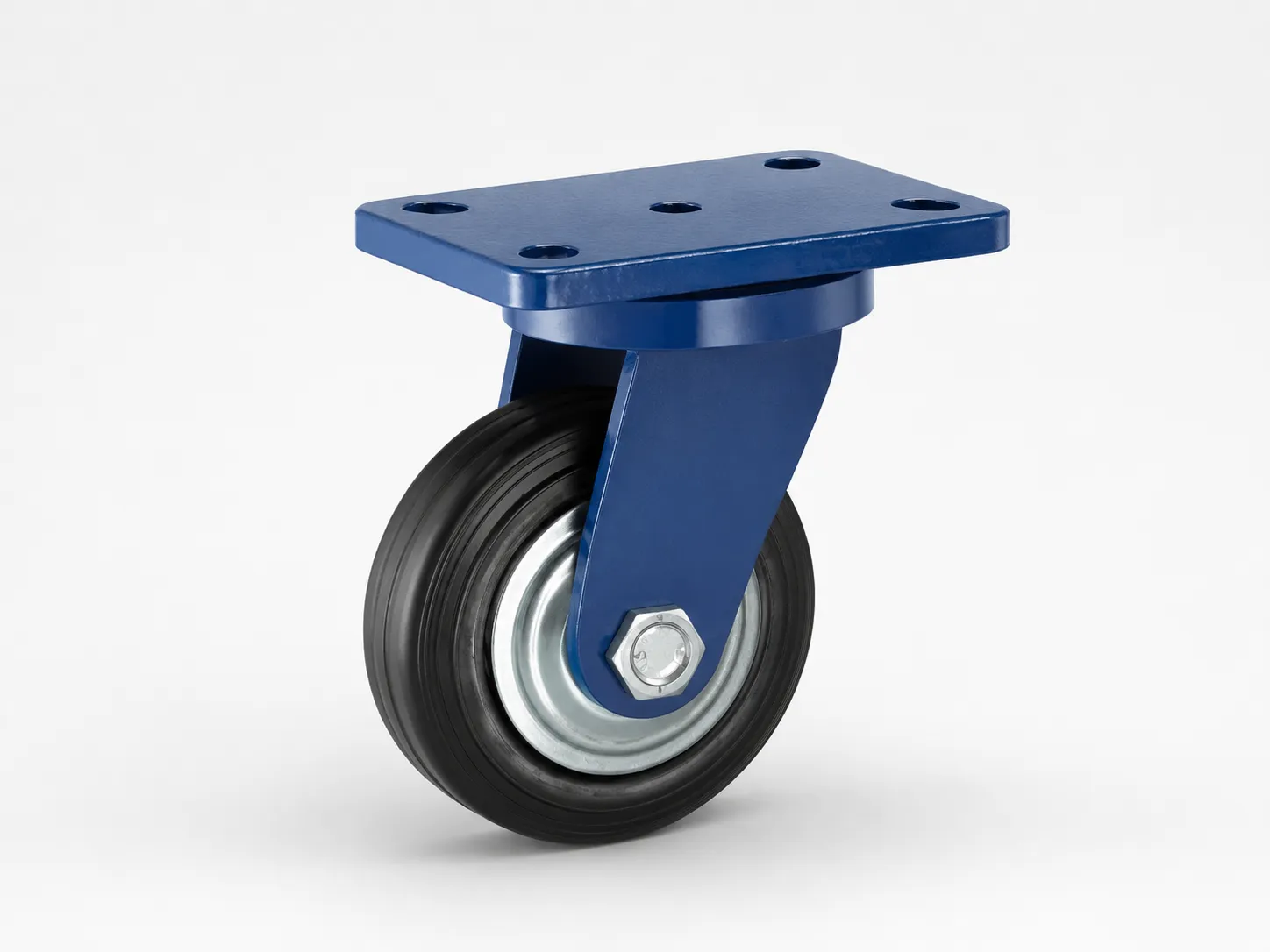
Suited to automotive manufacturing, machinery equipment, die carts, and heavy tooling handling.
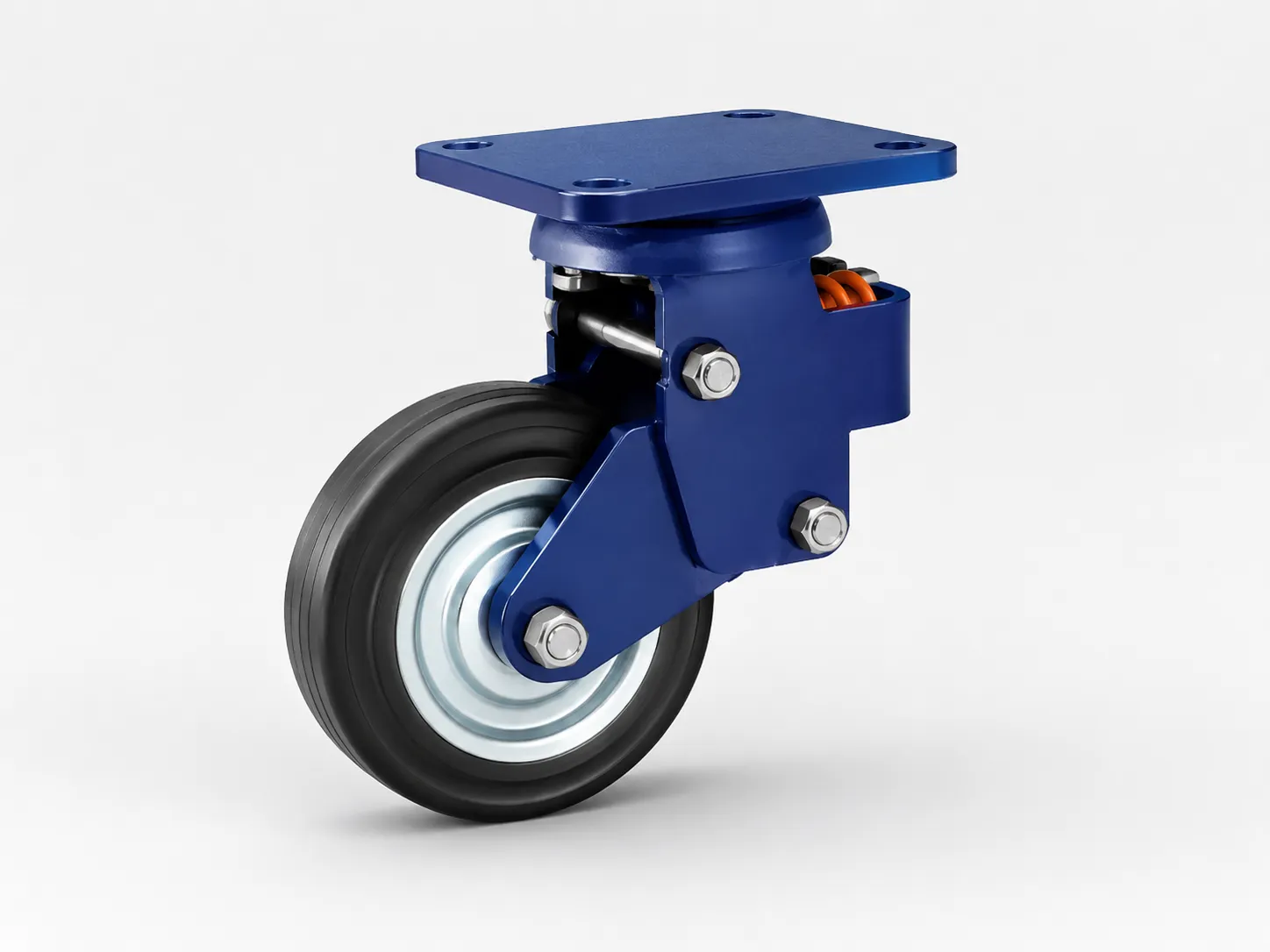
Suited to uneven floors, vibration risk, or handling situations where equipment needs protection.
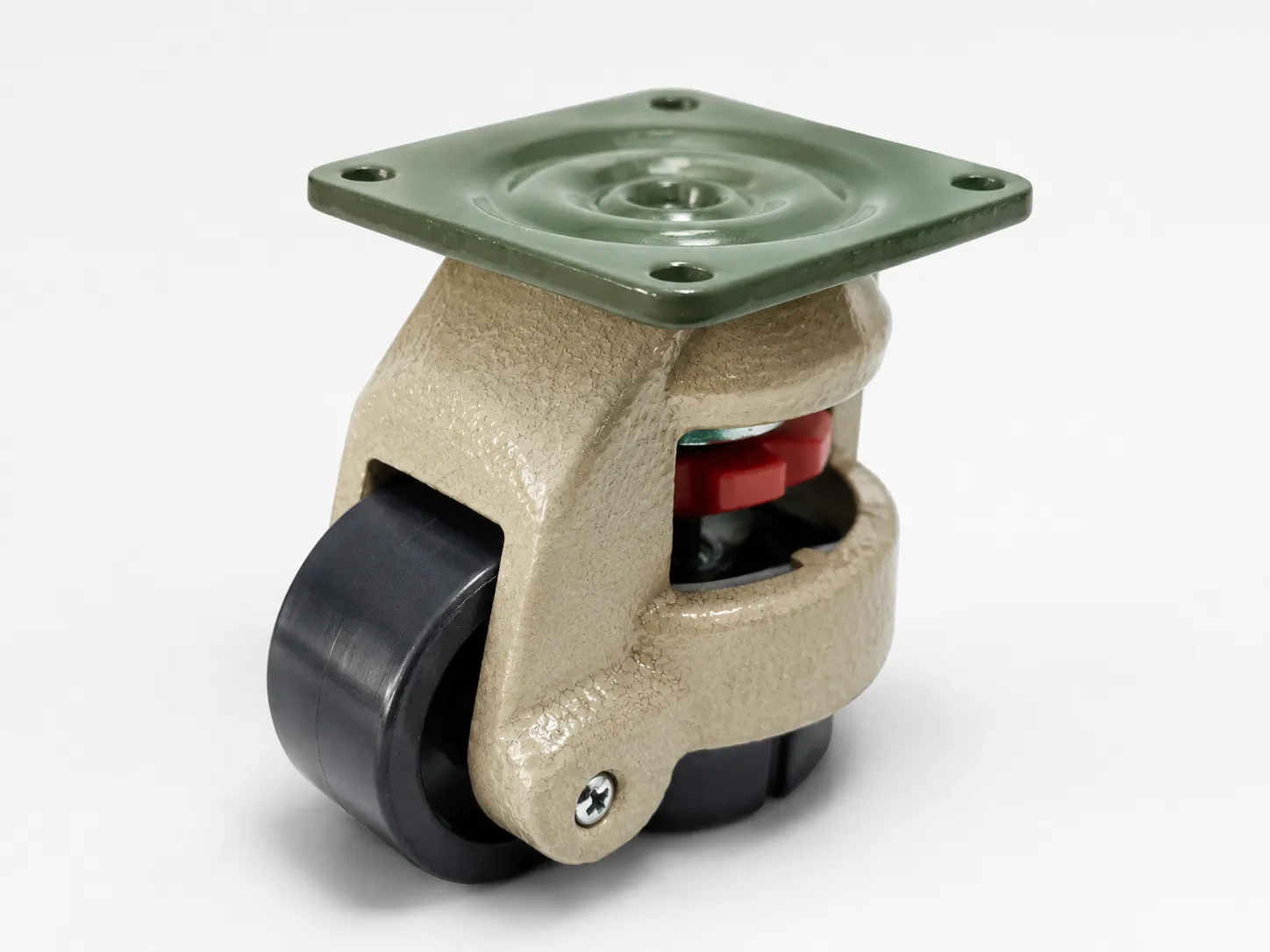
Suited to machinery equipment, workstations, and jig bases, balancing movement with positioning support.
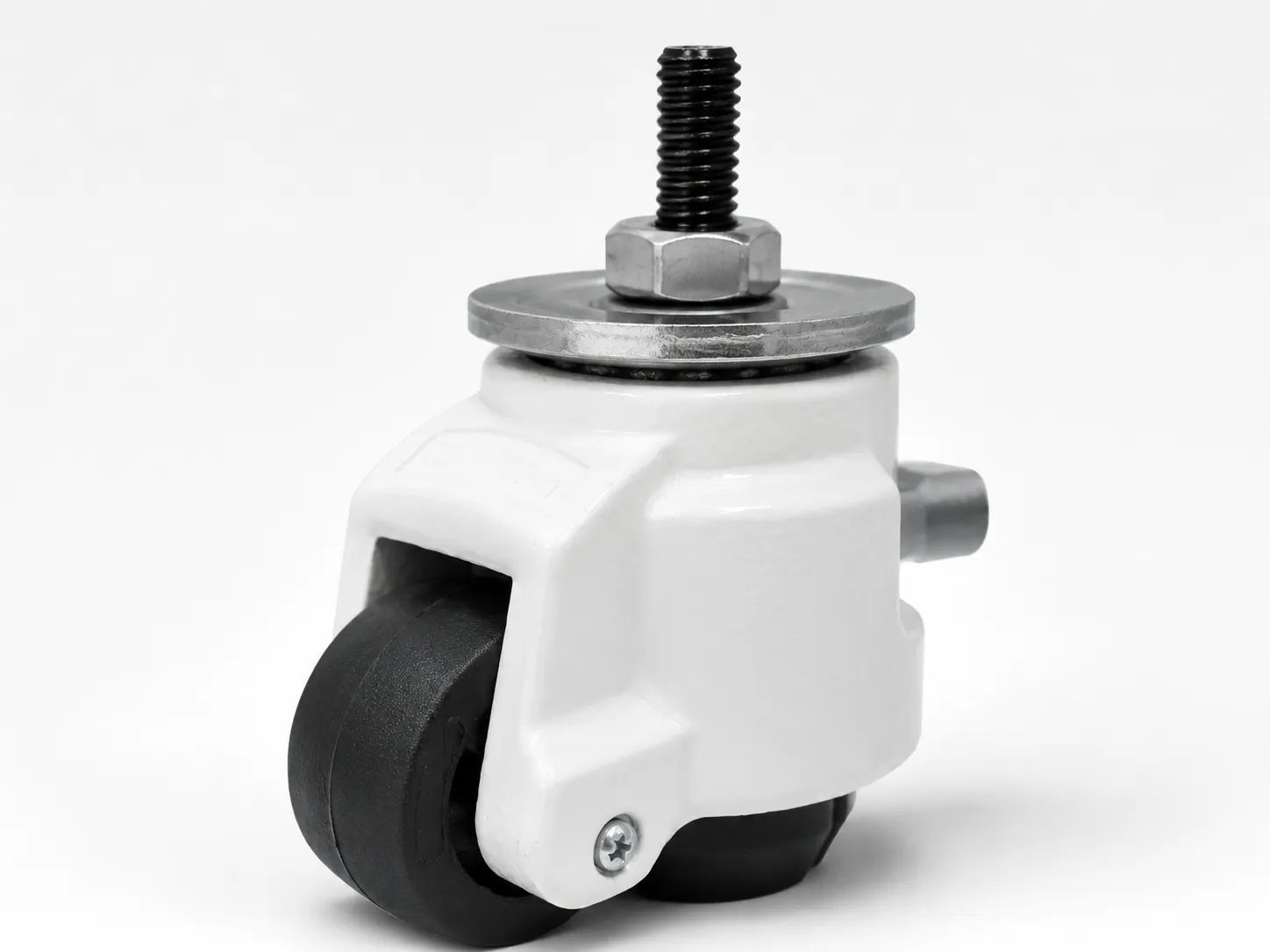
Suited to equipment bases and production-line workstations needing centralized lift operation.
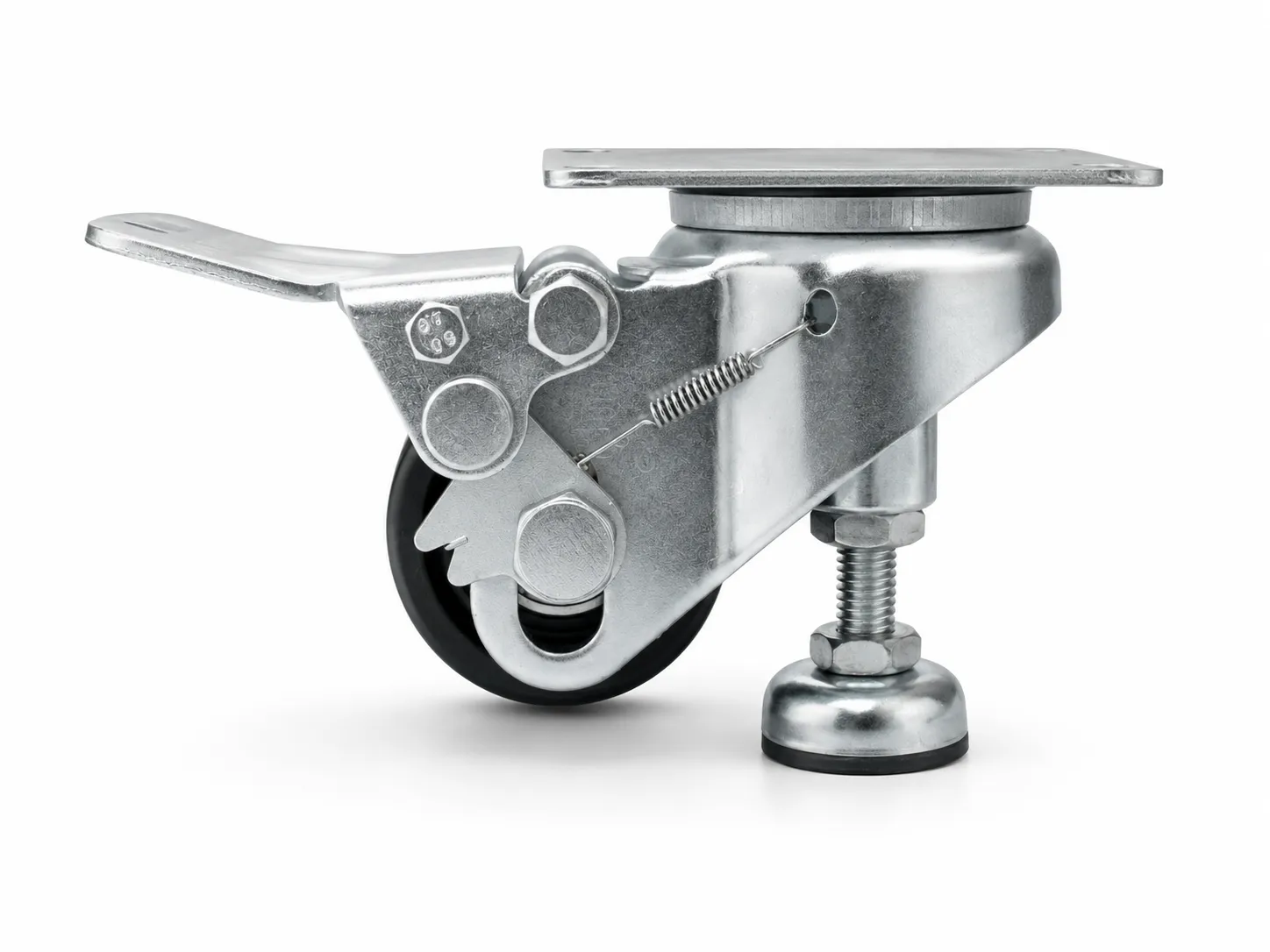
Suited to machinery manufacturing and equipment-repair settings needing short-distance movement and fixed-point support.
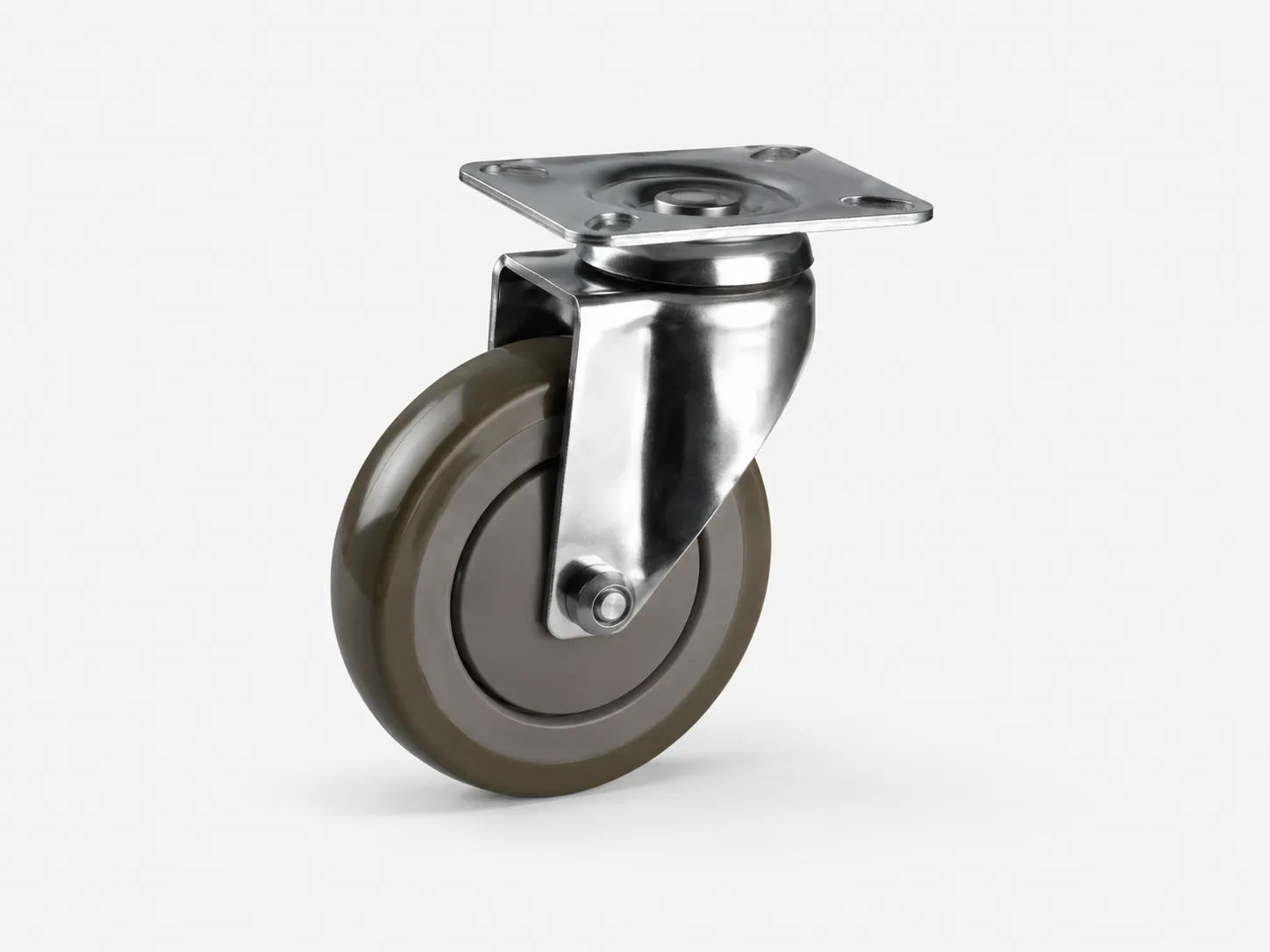
Suited to general industrial carts, workbenches, and production-line auxiliary equipment.
Casters for automotive / machinery manufacturing are not just a single part — they affect equipment rolling, positioning, maintenance, and long-term stability. Dersheng can help evaluate suitable wheel material, size, load, mounting method, and brake configuration based on different industry application needs.
For equipment manufacturers, a caster supplier needs to do more than just supply individual wheels — it needs to understand equipment applications, mass-production specs, future replacement, and procurement stability. Dersheng Casters can help organize selection conditions based on the specific needs of automotive / machinery manufacturing, so the casters better match real-world use and B2B procurement processes.
Dersheng can match specs based on equipment weight, wheel diameter, mounting method, bracket type, and braking needs, helping customers find a closer-fitting solution from existing product series.
Can help equipment manufacturers, buyers, and distributors organize caster selection conditions, translating equipment purpose, load, floor, and environmental needs into discussable spec directions.
Provides caster configuration recommendations suited to real-world use cases for common needs across different industry settings, rather than selecting by size or price alone.
Can discuss suitable configurations based on equipment base, movement frequency, cleaning conditions, and future replacement needs, so casters better match equipment development, mass production, and maintenance needs.
Share the equipment type, total weight, maximum load, mounting method, use environment, movement frequency, floor material, and environmental conditions, and Dersheng Casters can help evaluate a suitable caster and wheel-set solution for your automotive / machinery manufacturing application.
Common questions when evaluating casters and wheel sets for Automotive / Machinery Manufacturing, to help you quickly gauge the right selection direction.
We recommend sharing the equipment type, total equipment weight, maximum load, per-wheel load requirement, mounting method, wheel diameter constraints, use environment, movement frequency, floor material, whether braking or directional lock is needed, and whether there are cleaning, low-temperature, corrosion, or other special environmental conditions.
Beyond basic load and movement, automotive / machinery manufacturing casters need to be evaluated for rolling resistance, floor conditions, brake positioning, wear resistance, cleaning maintenance, and ease of future replacement based on real-world operating conditions.
Start by confirming load, rolling distance, floor material, steering needs, and whether braking is required, then select the appropriate wheel material, diameter, bracket, and mounting method based on environmental conditions.
Yes. If equipment development, mass production, or repair/replacement requires a different wheel diameter, material, mounting method, or brake configuration, share your current equipment conditions and use case, and Dersheng can help evaluate feasible product series and alternatives.