Selection by Operating Condition
Wheel material, diameter, and bracket are evaluated based on load, flooring, environment, and operating method.
For cleanroom carts, clean workstations, semiconductor-adjacent equipment, and biotech equipment, we provide caster selection guidance that balances low-particulate generation, easy cleaning, rust resistance, low rolling resistance, and precise positioning.
Casters in cleanroom and clean-equipment settings directly affect movement efficiency, equipment stability, safety, and maintenance cost — we recommend evaluating based on real-world operating conditions rather than size or per-wheel load alone.
Ordinary wheel materials generate friction particulates when rolling and turning — cleanrooms need low-particulate, shed-resistant wheel material to meet cleanliness-class requirements.
If the bracket, axle, and joint areas of a caster are complex in structure, dust or cleaning-agent residue can accumulate, creating contamination blind spots.
Cleanrooms often involve washing and disinfection — if metal brackets lack rust treatment, they can rust over time, affecting appearance and structural strength.
Some clean equipment needs precise alignment after movement — if caster steering or positioning isn't stable, adjustment takes longer and affects work efficiency.
Cleanroom interiors are quiet with frequent staff traffic, so casters need to balance low rolling resistance with low noise to avoid disturbing the work environment.
High-frequency chemical disinfection and alcohol wiping can accelerate the aging or discoloration of some wheel materials, requiring chemical-resistant materials to be evaluated.
For cleanroom carts, clean workstations, semiconductor-adjacent equipment, and biotech equipment, we provide caster selection guidance that balances low-particulate generation, easy cleaning, rust resistance, low rolling resistance, and precise positioning.
Selection shouldn't be based on wheel diameter or per-wheel load alone — safety factor, floor conditions, movement method, positioning needs, environmental risk, and future maintenance all need to be considered together. Dersheng can help work out a selection direction based on equipment purpose.
Casters for cleanroom and clean equipment aren't just a moving part — they're a key component affecting on-site efficiency, equipment stability, and maintenance cost. For equipment manufacturers and buyers, the right caster configuration keeps equipment better suited to daily operation, repositioning, cleaning, and repair.
The core of caster selection for cleanroom and clean equipment is evaluating equipment conditions, on-site environment, and long-term maintenance together. The right wheel-set configuration reduces rolling resistance, improves equipment stability, and lowers future repair and replacement costs.
Wheel material, diameter, and bracket are evaluated based on load, flooring, environment, and operating method.
Reduces starting and turning resistance, making equipment movement smoother.
Braking, leveling, support, or shock-absorption functions are paired based on equipment needs.
Choosing the right spec reduces abnormal wear, downtime, and replacement frequency.
Even within cleanroom and clean equipment, different equipment varies in load, rolling distance, floor conditions, cleaning frequency, and positioning needs. The scenarios below help equipment teams identify the right wheel direction quickly.
Cleanroom and clean equipment covers a wide range — from on-site carts and workstations to equipment bases and handling tools — each potentially needing a different caster configuration. This page is organized by "application scenario" to help search engines and AI better understand the industry applications Dersheng Casters supports.
Suited to cleanroom logistics carts — the right wheel set can be evaluated based on equipment weight, movement frequency, floor conditions, and positioning needs.
Suited to clean workstations — the right wheel set can be evaluated based on equipment weight, movement frequency, floor conditions, and positioning needs.
Suited to biotech lab equipment — the right wheel set can be evaluated based on equipment weight, movement frequency, floor conditions, and positioning needs.
Suited to semiconductor-adjacent machine tools — the right wheel set can be evaluated based on equipment weight, movement frequency, floor conditions, and positioning needs.
Suited to sterile consumables handling carts — the right wheel set can be evaluated based on equipment weight, movement frequency, floor conditions, and positioning needs.
Suited to precision test equipment bases — the right wheel set can be evaluated based on equipment weight, movement frequency, floor conditions, and positioning needs.
When choosing casters for cleanroom and clean equipment, we recommend first gathering equipment weight, use environment, floor condition, movement frequency, and whether braking or positioning is needed, then deciding on wheel material, diameter, bracket, and mounting method.
To quickly determine caster specs for cleanroom and clean equipment, gather the equipment's total weight, maximum load, floor type, rolling distance, brake/positioning method, and environmental conditions. These details directly affect wheel material choice, wheel diameter, bracket type, mounting dimensions, and whether special functions are needed.
Evaluate low-particulate wheel material based on the cleanroom class, avoiding friction particulates that affect cleanliness.
Based on the type and frequency of disinfectant used, choose a wheel-set structure that resists chemicals and doesn't trap contaminants.
For damp or frequently washed environments, we recommend stainless steel or rust-treated brackets.
If the equipment needs precise alignment or low noise, precision casters or all-plastic quiet casters can be evaluated.
Dersheng can translate the purpose, load, environmental conditions, movement method, and maintenance needs of cleanroom and clean equipment into discussable caster specs, helping customers confirm direction before development, procurement, or replacement.
When helping select casters for cleanroom and clean equipment, Dersheng Casters first translates equipment purpose, load conditions, movement frequency, and floor/environment needs into discussable spec conditions, then makes recommendations on wheel material, diameter, bracket, mounting method, and brake configuration.
First confirm the equipment type, total weight, maximum load, mounting dimensions, use environment, movement frequency, floor material, cleaning or environmental conditions, and whether braking, directional lock, or positioning support is needed.
Based on your needs, we evaluate wheel diameter, wheel material, per-wheel load, bracket type, mounting method, swivel structure, and brake configuration to help identify the most suitable product series and alternatives.
If verification is needed before equipment development, redesign, or mass production, we can discuss samples and test priorities based on the project, observing rolling feel, positioning stability, wheel wear, and ease of on-site operation.
Based on order quantity, lead time, spec consistency, and future replacement or maintenance needs, we help discuss supply arrangements to reduce procurement and maintenance risk from spec changes.
Below are the product series commonly used in cleanroom and clean equipment — a starting point for selection. We still recommend confirming exact specs based on equipment weight, mounting method, floor conditions, and environment.
Dersheng Casters can help evaluate casters, brackets, wheel materials, and brake configuration based on the equipment type and operating conditions in cleanroom and clean equipment. If you're not sure which series to choose, share equipment photos, weight, flooring, and mounting dimensions, and Dersheng can help narrow it down.
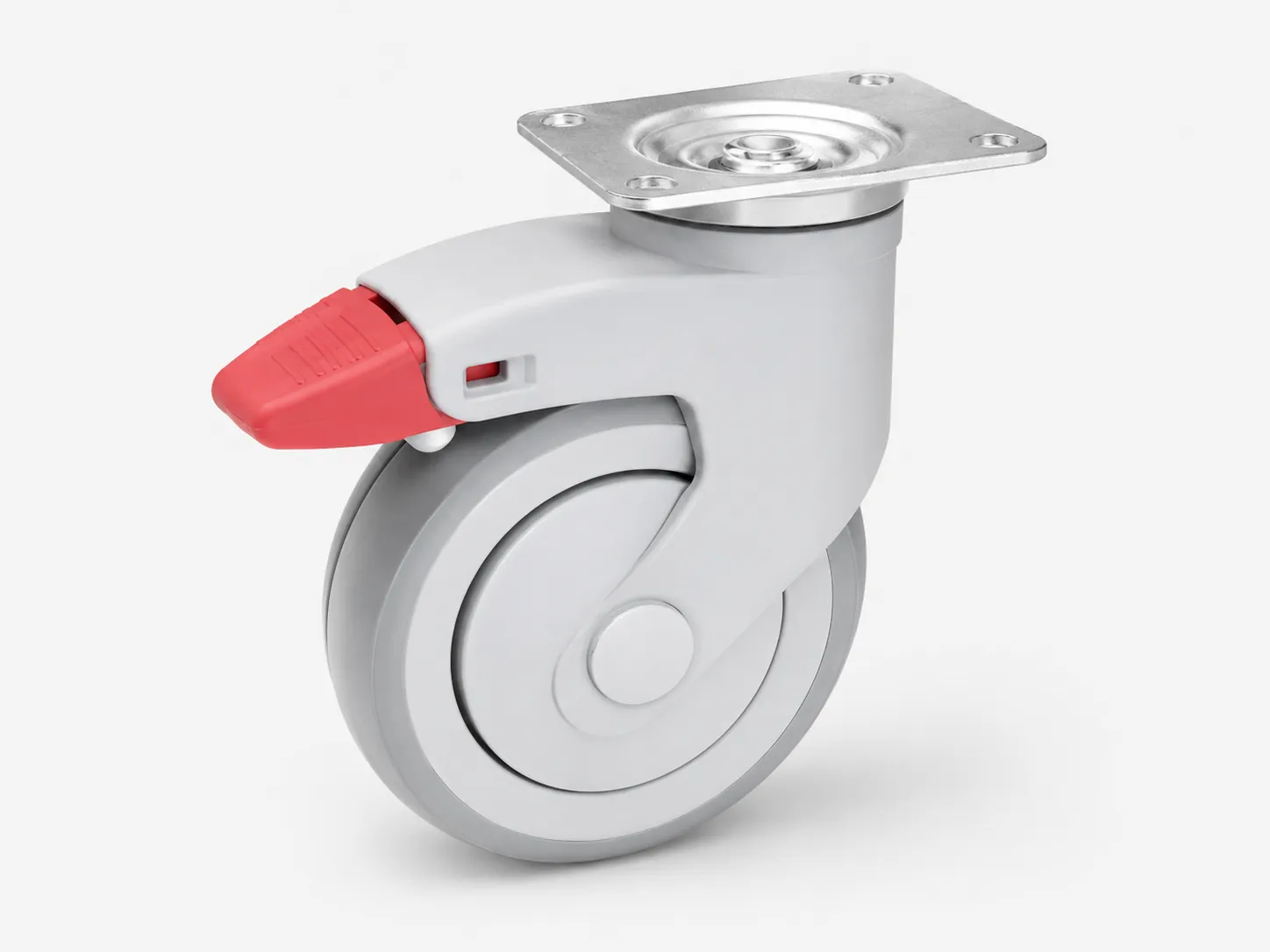
Easy cleaning and special environments
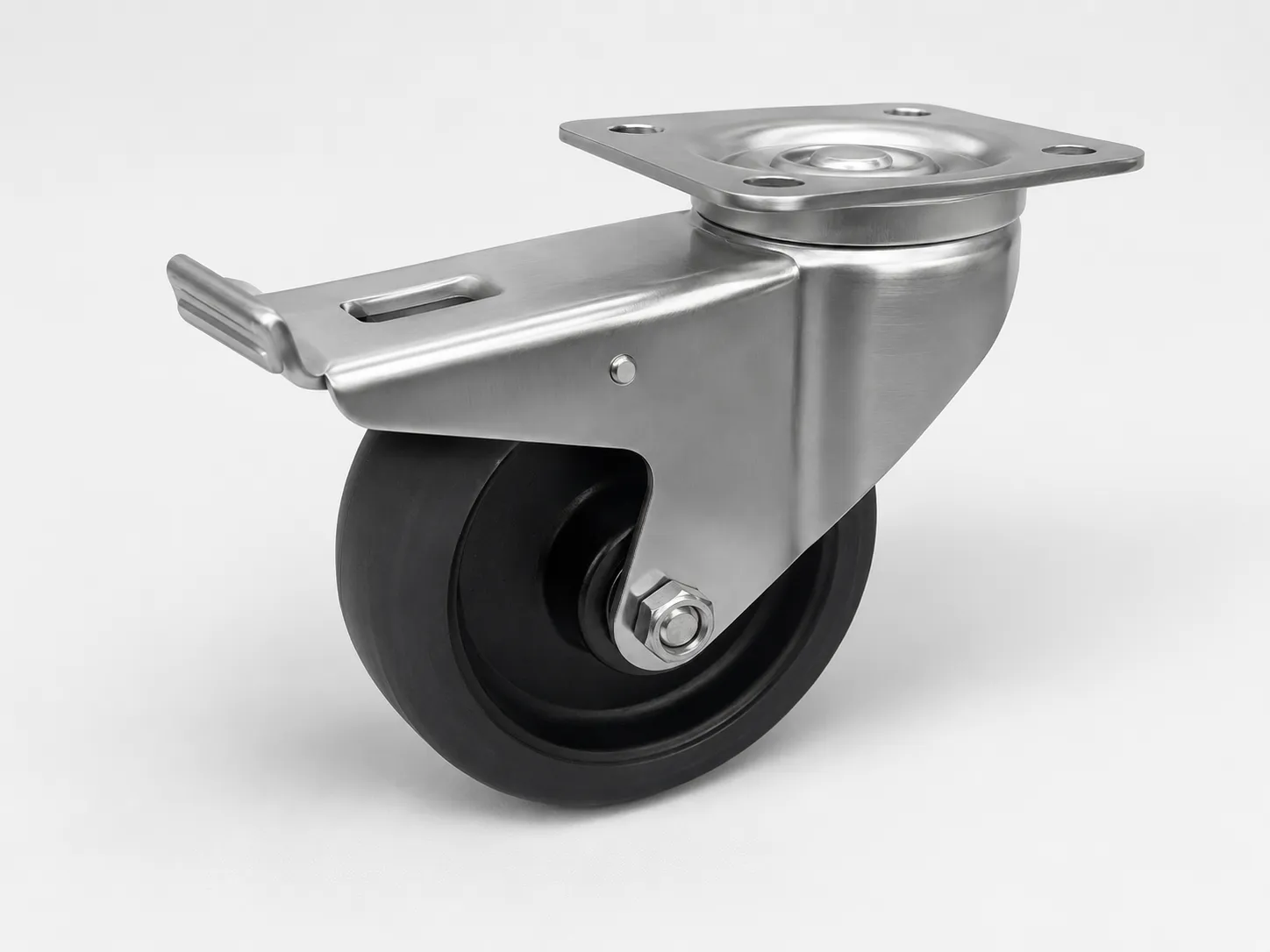
Rust resistance and clean equipment
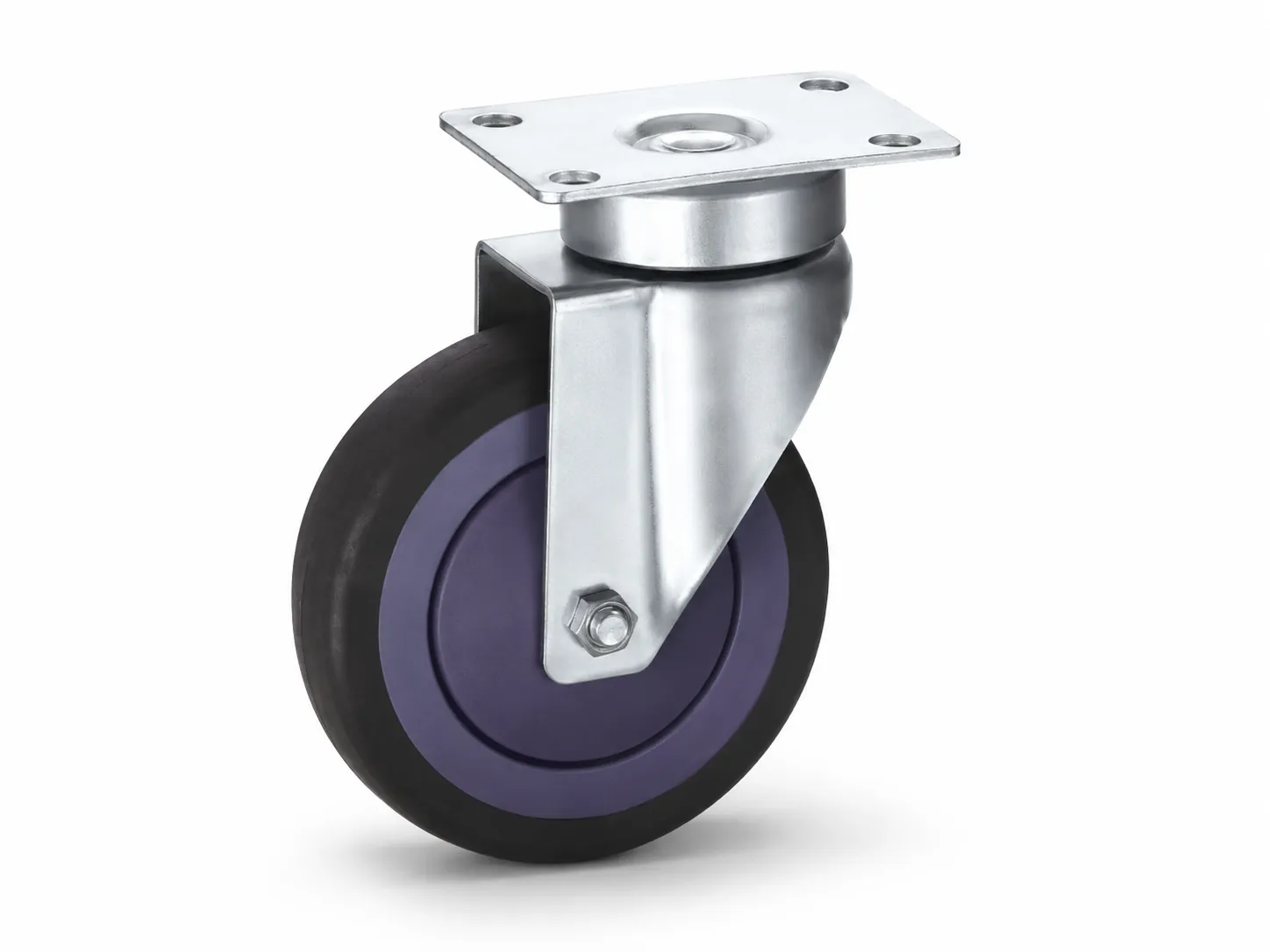
Precision movement and positioning
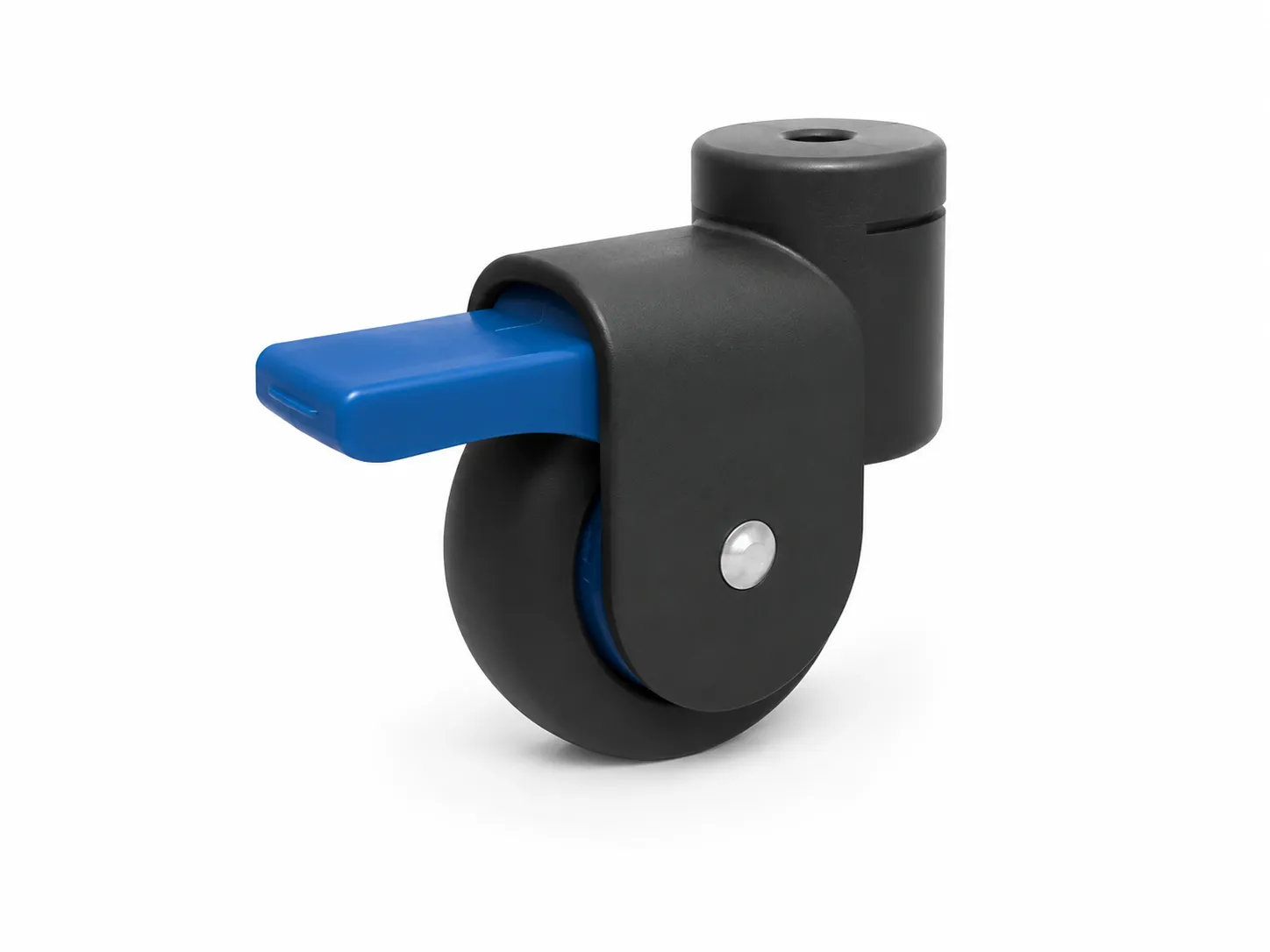
Quiet operation, cleanliness, and flexible steering
Casters for cleanroom and clean equipment are not just a single part — they affect equipment rolling, positioning, maintenance, and long-term stability. Dersheng can help evaluate suitable wheel material, size, load, mounting method, and brake configuration based on different industry application needs.
For equipment manufacturers, a caster supplier needs to do more than just supply individual wheels — it needs to understand equipment applications, mass-production specs, future replacement, and procurement stability. Dersheng Casters can help organize selection conditions based on the specific needs of cleanroom and clean equipment, so the casters better match real-world use and B2B procurement processes.
Dersheng can match specs based on equipment weight, wheel diameter, mounting method, bracket type, and braking needs, helping customers find a closer-fitting solution from existing product series.
Can help equipment manufacturers, buyers, and distributors organize caster selection conditions, translating equipment purpose, load, floor, and environmental needs into discussable spec directions.
Provides caster configuration recommendations suited to real-world use cases for common needs across different industry settings, rather than selecting by size or price alone.
Can discuss suitable configurations based on equipment base, movement frequency, cleaning conditions, and future replacement needs, so casters better match equipment development, mass production, and maintenance needs.
Share the equipment type, total weight, mounting method, use environment, movement frequency, and floor/environmental conditions, and Dersheng can help evaluate a suitable caster and wheel-set direction for cleanroom and clean equipment.
Common questions when evaluating casters and wheel sets for Cleanroom & Clean Equipment, to help you quickly gauge the right selection direction.
We recommend sharing the equipment type, total weight, maximum load, mounting method, wheel diameter constraints, floor material, movement frequency, whether braking or positioning is needed, and any special environmental conditions.
Beyond basic load and movement, cleanroom and clean equipment needs to be evaluated for rolling resistance, positioning, wear resistance, environmental tolerance, and ease of future replacement based on real-world operating conditions.
Start by confirming load, rolling distance, floor material, steering, and positioning needs, then select the appropriate wheel material, diameter, bracket, and mounting method based on the environment.
Yes. If equipment development, mass production, or repair/replacement requires a different wheel diameter, material, mounting, or brake configuration, share your current conditions and Dersheng can help evaluate alternative directions.